


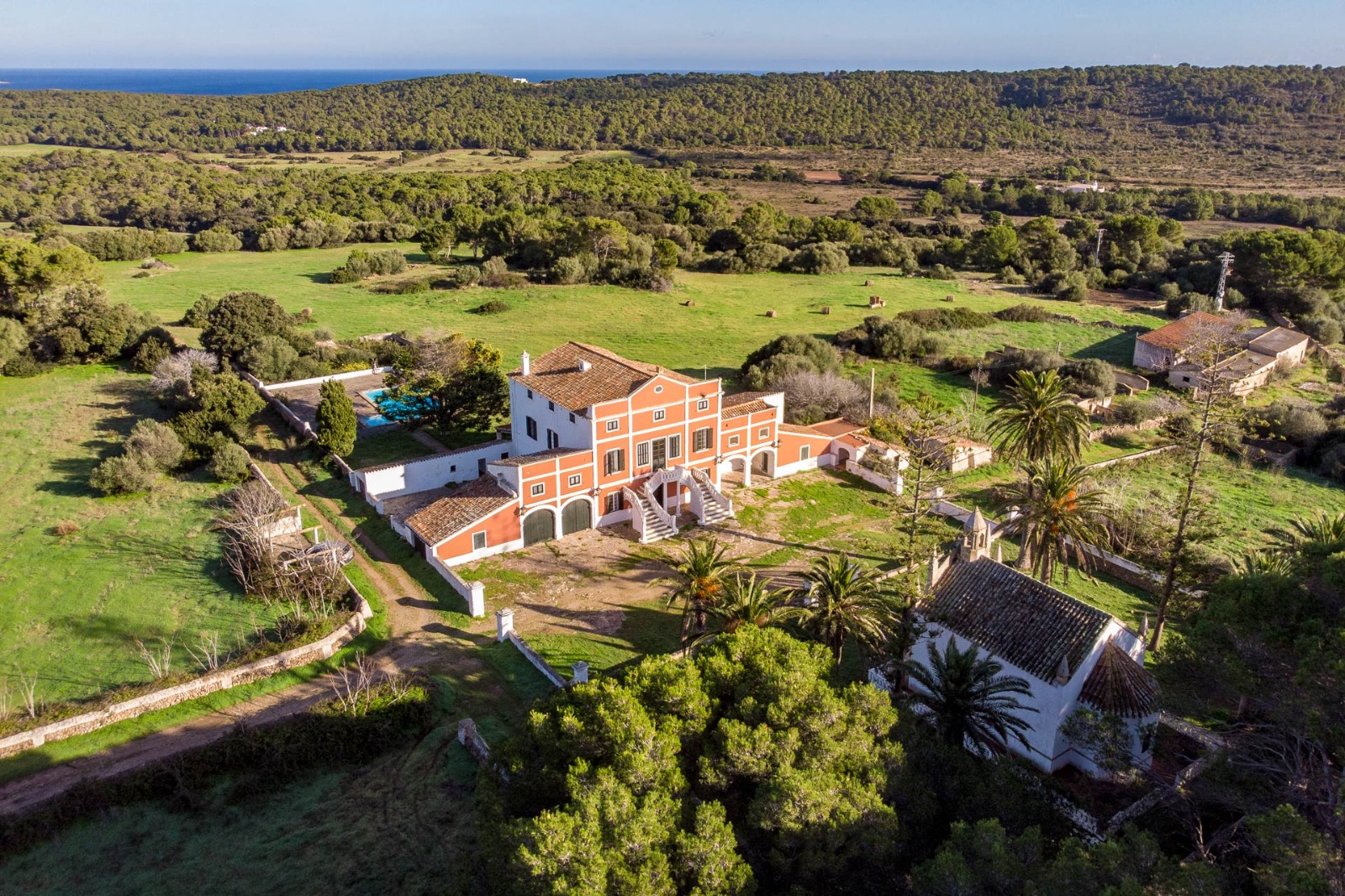
Some properties begin to win you over before you reach the front door. A lane between dry-stone walls, the shade of a wild olive tree, a house that seems to have been waiting patiently for your arrival… Buying a country estate in Menorca is often the start of imagining a different way of life.
For some, it means a family retreat. For others, a year-round home, a farming venture or the chance to bring a historic property back to life.
Alongside the excitement come the practical questions. What can you do with the land? Where does the water come from? Is there mains electricity? And how much will it cost to look after?
The good news is that you do not need to become an expert in planning, farming and renewable energy to make a sound decision. You need to understand the key questions and have the right people help you answer them. Here is where to start.
First, picture your life there
Before discussing hectares, it helps to discuss plans. Are you looking for occasional escapes or a permanent home? Would you like a vegetable garden, an olive grove or a working livestock farm? Perhaps you are considering a rural accommodation business.
Each idea points towards a different property. For everyday living, access, communications and utilities matter enormously. An agricultural project also calls for a closer look at the soil, water resources, facilities and management.
Enjoying a finca privately and running it commercially are different propositions, although they can coexist. Being clear about your intentions makes it easier to identify suitable properties and check whether your proposed uses are permitted.
You do not need to arrive with a business plan under your arm. A conversation beginning with “This is what we would love to do here” is a perfectly good start.
Understand exactly what you are buying
A country estate may include a house, several parcels of land, agricultural buildings, installations, access routes and rights to use particular resources. Understanding the whole is just as important as knowing the size of the sitting room.
Before buying, the title deeds, Land Registry information, cadastral records and the property on the ground should be compared. Charges, rights of way and any existing agreements affecting the estate also need to be reviewed.
For each building, establish its planning status, authorised use and available documentation. An entry in the Cadastre or a description in the deeds does not, by itself, establish planning legality.
An old agricultural outbuilding may be wonderfully atmospheric, but its potential conversion into living accommodation needs checking before you start allocating guest bedrooms.
It is also worth agreeing precisely what the sale includes: machinery, solar equipment, water tanks, irrigation systems and other fixtures or equipment. Clarity at the outset helps everyone understand the value of the purchase.
Land protection: understanding the setting and its possibilities
Much of the appeal of Menorca’s countryside lies in its preservation. The landscape you would like to wake up to owes something to the rules that protect it.
Not all rural properties offer the same scope for development or changes of use. There is ordinary rural land and various protected categories relating to nature, landscape, risk prevention and location.
You may encounter abbreviations such as:
- ANEI, AANP and ANIT: categories associated with natural areas and their conservation.
- ARIP and AIP: categories relating to landscape interest.
- APR and APT: categories associated with risk prevention or territorial protection.
Environmental, heritage, coastal and highway restrictions can also apply. Different parts of the same estate may fall within different categories.
There is no need to memorise the alphabet. The useful question is how the rules affecting this particular property relate to your plans. The Consell de Menorca’s Island Territorial Plan review documents introduce these categories; a purchase assessment must check the provisions actually in force.
A protection label alone does not answer every question. What matters is understanding its practical implications for what you hope to do.
Restoring a country house: character and a practical plan
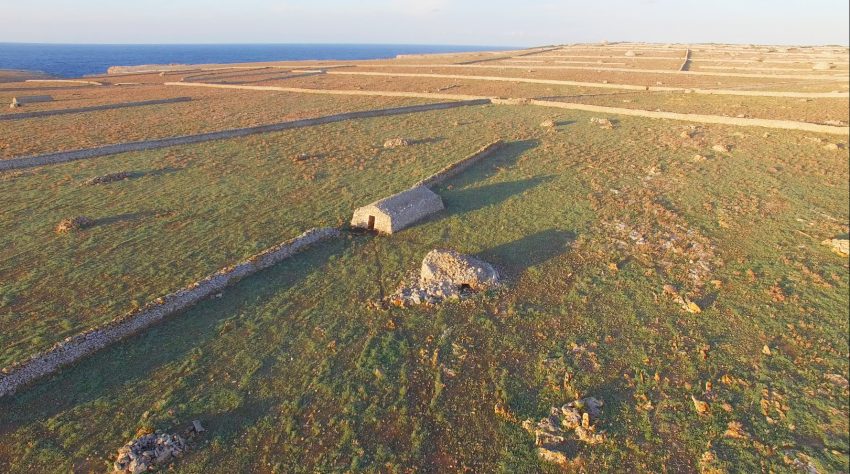
Bringing a Menorcan house back to life can be one of the most rewarding parts of ownership. Respecting its proportions, materials and setting allows comfort and character to sit naturally together.
Maintenance, refurbishment, extensions and changes of use are different kinds of work. Each may require different documents, permissions and technical reports.
If your purchase depends on a particular alteration, have a suitably qualified professional assess its feasibility before committing. The same applies to a swimming pool, a new agricultural installation or converting an outbuilding.
A visit with the right professional can turn uncertainty into a practical outline: what can be retained, what needs attention and what budget to allow. Our guide to what to look for when viewing a house in Menorca offers more ideas.
Electricity: mains connection or an independent supply?
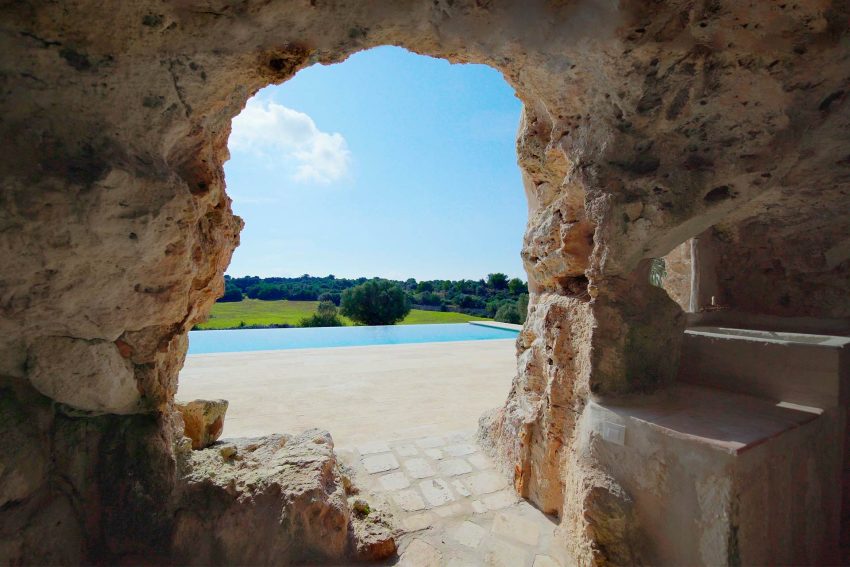
One of the first things to establish is how the property is powered. Both arrangements can support comfortable living, provided you understand the system.
If the estate is connected to the grid
Check that the supply is active, the available capacity and the condition of the wiring. A house used for occasional weekends may have different needs from a permanent home with heating, water pumps and an electric vehicle charger. Agricultural demand needs considering too.
If there is no connection, a nearby power line does not guarantee a straightforward installation. Feasibility, necessary works and costs should be established first.
If it runs on solar panels and batteries
A properly designed off-grid solar installation can provide a suitable supply for country living. It needs to match how the property will actually be used, including winter and periods of limited sunshine.
Review the panels, battery capacity and age, inverter and expected consumption. Ideally, switching on the oven while the washing machine is running should not require a family committee meeting.
A backup generator can support the system when needed. Its fuel, maintenance, noise and location all deserve consideration.
Small-scale wind generation may also be worth assessing, but suitability depends on the site, its impact and the necessary permissions. Menorca’s reputation for wind does not make every property a suitable place for a turbine.
Energy independence involves maintaining and eventually replacing equipment. Technical registration requirements also apply; the Balearic Government’s Industry portal provides official guidance.
Water: a well, a cistern, or both?
On a rural estate, knowing where the water comes from matters just as much as turning on the tap.
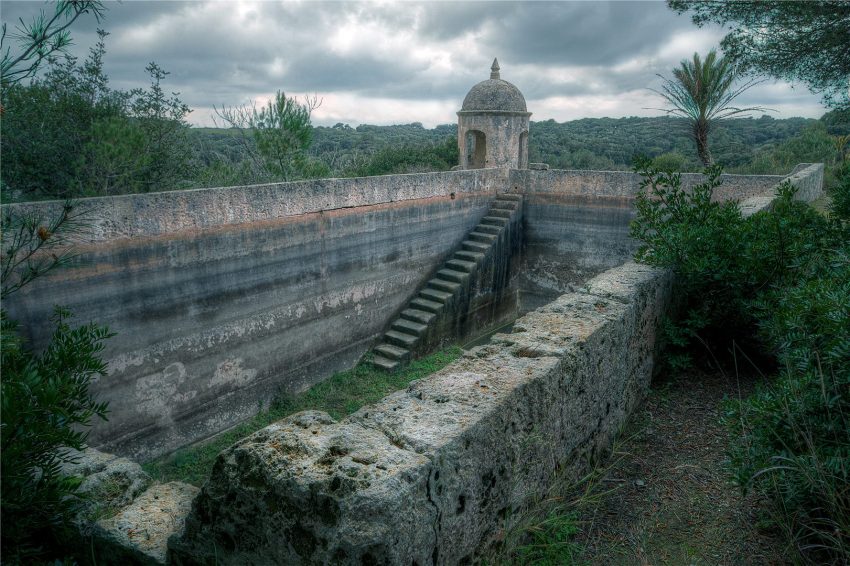
A well draws groundwater; a cistern stores water. A cistern may collect rainwater from roofs and other suitable surfaces, or receive water from an external supply.
Some Menorcan estates have traditionally managed without a well, collecting rainfall and storing it in cisterns or tanks. It is a longstanding approach to making good use of available resources.
A property without a well should not therefore be dismissed automatically. The question is whether its supply arrangements meet your intended needs.
If there is a well
Alongside checking that it works, establish its documentary status: the right to abstract water, the holder of that right, permitted uses and authorised volumes.
Official records include the Water Register and the Catalogue of Private Waters, with information available through the Balearic groundwater census.
Some very old wells may not appear in an initial map search or may require historical records to be traced. Absence from that initial search does not automatically prove illegality, but age alone does not establish legality either. The paperwork needs reviewing and, where necessary, checking with the water authority.
Ask about yield throughout the year, water quality and the condition of pumps. Groundwater beneath a property does not mean a new well can simply be drilled: abstraction is subject to official groundwater authorisation requirements.
If the property relies on cisterns
Check storage capacity, condition, collection surfaces, filters and cleaning arrangements. Ask how long the reserves last and how they are supplemented during dry periods.
A weekend retreat, a permanent home and a livestock holding have very different requirements. Rainfall is a useful ally, but rather reluctant to sign a supply contract.
In either case, water intended for drinking requires appropriate quality checks and any necessary treatment. Coming from a well or the sky does not automatically make it safe to drink.
The details that make country life comfortable
Some features are less photogenic than a stone façade but become very important once you move in.
Access is one: who owns the lane, what rights of way exist, who maintains it and how does it cope with heavy rain? Mobile coverage and internet options are worth checking too.
Wastewater treatment deserves its own assessment. Establish which system the property uses, its condition, maintenance needs and compliance with applicable requirements.
Then there is routine care: roofs, walls, vegetation, tanks and equipment. Looking at these together helps you organise services and plan a realistic budget.
Peace of mind includes knowing who looks after what, especially if you will be away from the island for part of the year.
Does a country estate have to be expensive to maintain?
Not necessarily. A large acreage can look daunting, but the cost to the owner depends on the estate’s condition, management and activities.
A viable farming or livestock operation can help care for the land and offset expenditure. In some cases, the owner’s share of income may cover the costs they bear and even produce a surplus.
This does not mean costs disappear: it means productive activity can help fund them. Ordinary land management should be distinguished from renovating the house, major building repairs or replacing equipment.
Agricultural grants can also support a holding’s viability. Eligibility depends on the scheme, the activity and the applicant; assistance does not come automatically with the purchase. FOGAIBA lists schemes currently open for applications.
Alongside “What will it cost to maintain?”, ask “What could its activity contribute towards those costs?” Existing accounts, agreements and investment needs provide a useful starting point, without assuming future income or grants are guaranteed.
Menorcan rural partnerships: sharing knowledge and responsibility
If you would like to keep an estate productive without personally running every aspect of the farm, it is worth understanding the sociedad rural menorquina, or SRM.
This is a distinctive contractual arrangement rooted in Menorca’s legal tradition, bringing together the property holder and the farmer to operate the holding collaboratively. It is recognised in the Balearic Compilation of Civil Law.
Its practical appeal lies in combining property ownership with the experience of someone who knows the land and the work. A well-designed agreement can support continuity, define responsibilities and set out how the results of the activity are shared.
For a buyer, it can offer a way to participate in rural life and maintain a working estate without becoming a full-time farmer.
If an SRM already exists, review the contract, duration, allocation of costs and income, use of buildings and implications of a sale. A new arrangement should be tailored to the property, project and people involved.
The advantages depend on the agreement itself. It does not automatically guarantee returns, tax benefits or permissions.
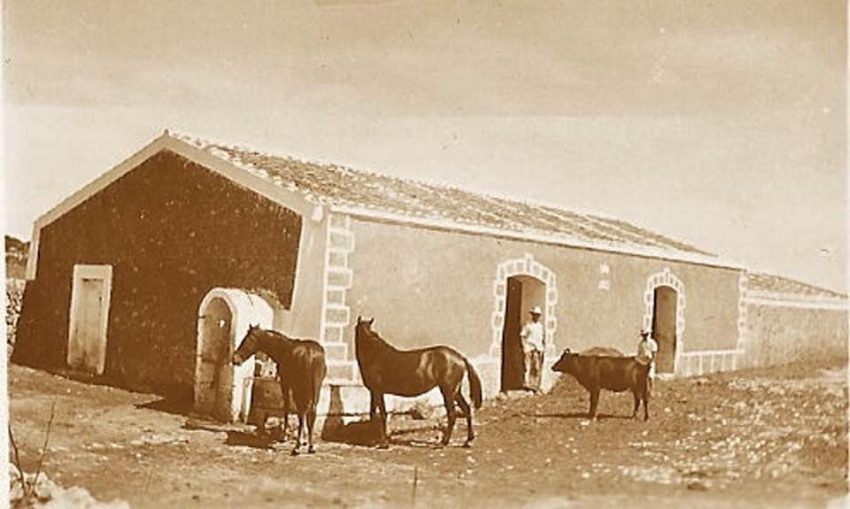
A countryside with a future: tradition meets modern technology
A Menorcan finca can provide the setting for organic crops, vineyards and winemaking, olive groves and oil production, market gardening or livestock farming.
Each possibility requires an assessment of the soil, water, scale and commitment involved. Together, they invite us to see the countryside as a living, productive place capable of evolving.
Menorca has the ingredients to become a reference point for rural renewal: a distinctive agricultural landscape, knowledge passed down through generations and opportunities for new approaches to management. Conservation and sustainable development also feature in the Biosphere Reserve’s Action Plan.
Respect for tradition can sit comfortably alongside advanced technology: efficient irrigation, sensors, remote monitoring and solar power with battery storage. Their value lies in helping care for the land and sustain its activity.
Repairing a dry-stone wall and checking the cistern level on your phone can be part of the same thoughtful approach to ownership.
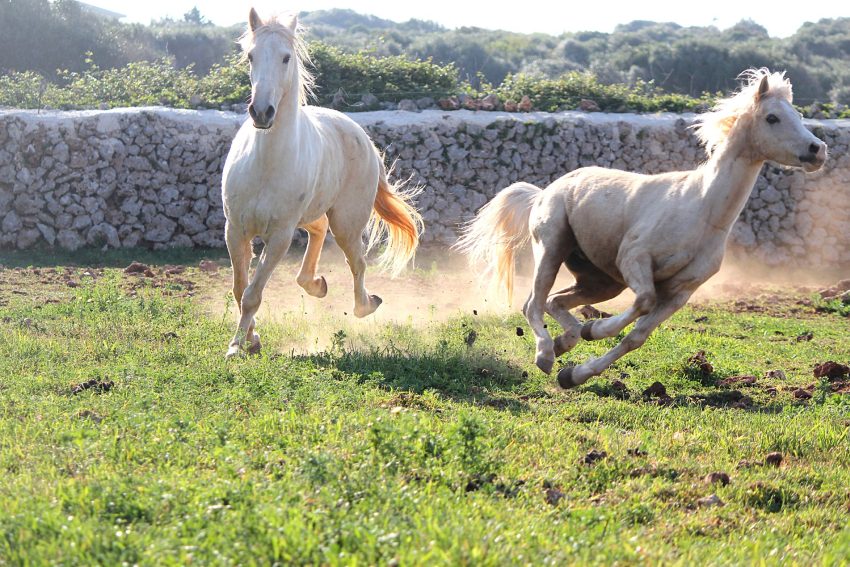
Could the estate become an agrotourism property or a rural hotel?
Some buyers imagine welcoming guests and sharing the setting. It is a possibility to investigate early, because not every rural property can be used for tourist accommodation.
Although the terms are sometimes used interchangeably, there is an important distinction:
- An agroturismo is linked to an agricultural, livestock or forestry holding that meets the legal requirements for preferential status, known as an explotación preferente.
- A rural hotel is a separate accommodation category with its own requirements, without that same specific link to a preferential agricultural holding.
Building age and land area are among the other conditions. The general framework is set out in Article 44 of the Balearic Tourism Law, alongside applicable island-level rules.
Meeting certain physical criteria does not guarantee approval. Territorial, planning and tourism compatibility, protected status and the applicable tourist-place and authorisation regime all need checking.
If this is your ambition, focus the search on properties whose feasibility can be properly assessed. A beautiful house is a promising beginning; understanding what can actually be done allows you to move forward.
Five questions to help you choose with confidence
There is plenty to consider, but the decision can be organised around five questions:
- Does this estate suit the life or activity I have in mind?
- Do I understand what I am buying and its legal status?
- Have my proposed works and uses been assessed?
- Do I understand the water, electricity, drainage and access arrangements?
- Have I allowed realistically for costs, possible income and ongoing management?
You do not need to answer everything alone, or during the first viewing. The aim is to take each step with the right information.
Tell us how you imagine your finca in Menorca
Perhaps you picture a house among wild olive trees where the family can gather. Perhaps you would love to restore an estate, produce your own olive oil or keep an existing farm working. Or perhaps you are still discovering what would suit you.
At Ses Moreres, that is where we like to begin: by listening.
We help you focus your search, understand the individual character of each property and identify the questions to review with the appropriate technical and legal advisers.
Tell Ses Moreres about your plans. We would be delighted to help you find a country estate in Menorca with room for your ideas to grow, so you can enjoy the landscape and the reassurance of having chosen well.
Leave a Reply